Six detained in multi-city operation
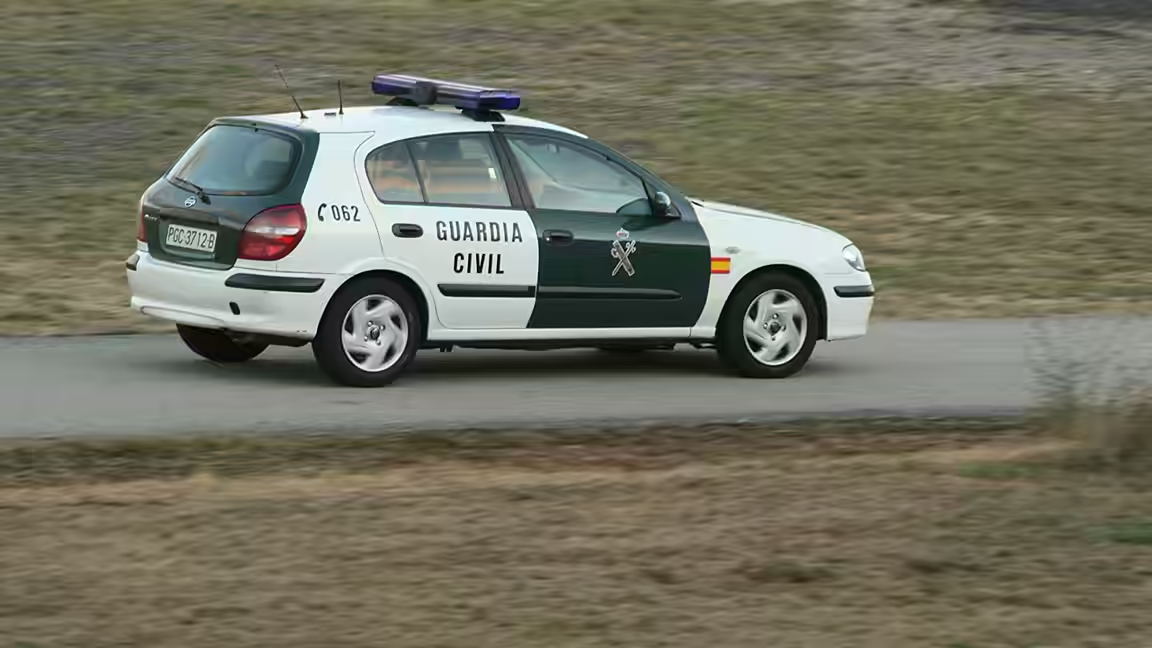
Spain's Civil Guard detained six people on November 5 during an operation tied to a newly opened, confidential branch of the Koldo corruption investigation, according to reporting by 20 Minutos citing EFE and sources close to the inquiry. The arrests and searches took place in Madrid, Córdoba, Valencia and Seville.
Those detained included Córdoba businessman Cristian Corvillo and Andrea de la Torre, the current partner of former transport minister José Luis Ábalos. Corvillo has been described as having driven Pedro Sánchez during the Spanish Socialist Workers' Party leadership primaries in 2017. The PSOE told the news organization that it had never paid Corvillo and did not know him, while not excluding that he may have driven a vehicle carrying Sánchez.
National Court judge Ismael Moreno opened the separate proceeding after receiving a new report from the Civil Guard's Central Operational Unit, known as the UCO. The proceeding has been placed under secrecy. Legal sources said it grew from the part of the broader investigation examining suspected kickbacks connected to public-works contracts. Arrests do not establish guilt, and the evidence and allegations in the sealed proceeding have not been tested at trial.
Search at former minister's home
Officers again searched Ábalos's residence in Valencia. The report said agents left the property carrying three cardboard boxes and a small suitcase. De la Torre was present during the search and was taken to the Civil Guard's provincial headquarters in Valencia, where investigators were expected to take her statement. Sources said she declined to make a statement to the officers conducting the search.
The UCO also visited the headquarters of Adif, Spain's state-owned rail infrastructure manager, to request information related to the new proceeding. The Anti-Corruption Prosecutor's Office participated in the investigative steps, according to the report.
The latest operation sits within the long-running Koldo case, a collection of investigations that has examined alleged wrongdoing around government contracting. The newly separated branch focuses on suspected payments in public-works awards, but the secrecy order limits what is publicly known about the specific transactions under review or the alleged roles of those detained.
Political parties responded rapidly, with opposition figures using the arrests to attack the government. Those partisan claims go beyond the verified procedural facts currently available. The material facts established in the report are that six people were detained, several locations were searched, information was sought from Adif and a National Court judge is overseeing a confidential proceeding. Further conclusions will depend on filings, evidence and court decisions that become public as the investigation advances.